Clementina
Newborn Care
Newborn Sleep & Night Feedings: Why "Sleeping Through the Night" Isn't Always the Goal

Iza Thiago-Munoz, MA, IBCLC
4 min read
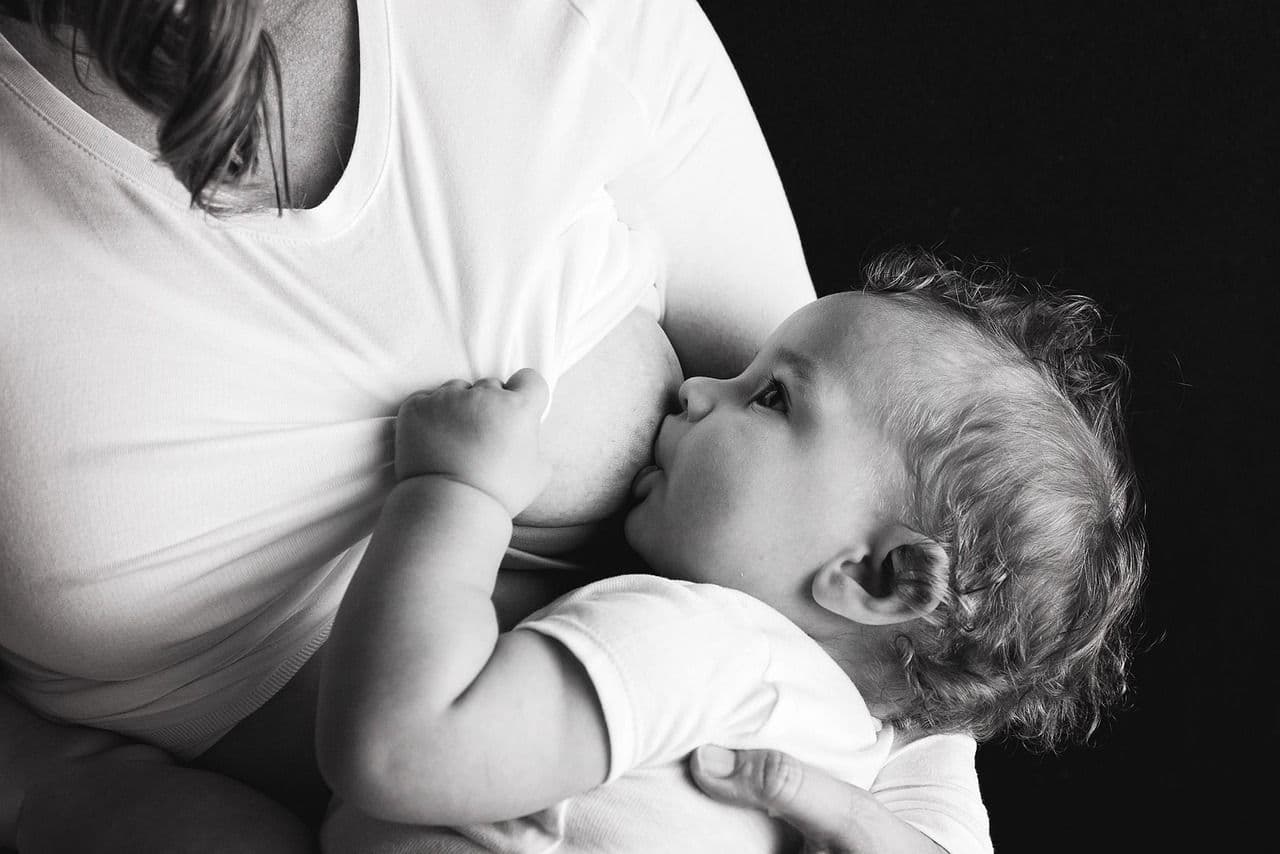
If you're a new parent, chances are you've heard phrases like "sleeping through the night" thrown around—maybe you even dream of a full 6-8 hours of uninterrupted sleep. But here's an important truth: newborn babies should not go all night without feeding, and that's not just normal, it's essential.
Your baby's sleep isn't a reflection of your parenting. It's a reflection of their development.
Why Night Feedings Matter for Newborns
Newborns have tiny stomachs and very fast metabolisms. Their bodies burn through nutrients quickly, which means their blood sugar can drop if they don't eat regularly. Maintaining steady blood sugar levels is critical for:
- Healthy brain development: The brain is rapidly growing and requires a constant supply of glucose
- Physical growth: Babies are building bones, muscles, and organs—all fueled by the calories from feedings
- Preventing irritability and lethargy: Low blood sugar can make your baby fussy or unusually sleepy, signaling distress
It's recommended to feed newborns approximately every 2 hours, day and night, for the first few weeks (even if it feels exhausting).
When Can You Expect Your Newborn to Sleep Longer Stretches?
Every baby is unique, but research shows these general patterns for newborn and infant sleep:
- First 6 weeks: Newborns usually feed every 2 hours, day and night. Their small stomachs and fast metabolisms mean frequent feeding is essential to keep their blood sugar stable and to establish your milk supply.
- 6 to 12 weeks: Many babies begin to stretch their nighttime sleep to 3-4 hours at a time as their stomachs grow and feeding becomes more efficient.
- 3 to 6 months: Babies often sleep longer stretches at night but may still wake up once or twice for feedings. This is completely normal for breastfed infants, as breast milk is digested quickly and night feedings support ongoing milk production.
- 9 to 12 months: Some babies start to sleep for longer stretches, sometimes 6-8 hours, but it's still common for babies to wake at least once during the night. Night waking at this age can be related to teething, developmental changes, or needing comfort and reassurance.
Wondering If Your Baby's Sleep Is Normal?
Every baby is different, and comparing your newborn's sleep to others can create unnecessary stress. If you're worried about feeding frequency, sleep patterns, or whether something's off, text one of our IBCLCs anytime. Our memberships give you access to expert guidance, no appointments needed.
So, What Can You Do as Parents?
The reality is that night waking isn't a "problem" to fix right away—it's your baby's natural way of thriving. But managing the night feedings in a way that supports both baby's needs and your rest is key to survival in those early months.
1. Share the Load
If you have a partner, friend, or family support, divide the night into shifts. One person handles the late evening feedings, the other takes the early morning. Even if you're breastfeeding, pumping and bottle-feeding some feedings can allow a little more rest for one caregiver. This teamwork helps prevent exhaustion and keeps both parents more present and energized during the day.
2. Keep Your Baby Close
Having your baby sleep in the same room (but in a separate crib or bassinet) makes night feedings quicker and less disruptive. You don't have to fully wake or get out of bed to comfort or feed your baby.
3. Safe Bed Sharing
Some parents find that feeding and comforting baby is easier when bed sharing, but it requires strict safety precautions (firm mattress, no soft bedding, and ensuring baby can't fall or get trapped). If done safely, it can promote bonding and make nighttime feedings more manageable.
Switching to Formula? Here's What the Research Says
As a new parent, sleep can feel like an impossible dream. You might wonder if switching from breastfeeding to formula could help you get longer stretches of sleep at night.
A recent study tracked moms' sleep with Fitbit devices during their baby's first year and compared breastfeeding, formula feeding, and mixed feeding families. The results?
- Total sleep time: Moms got about the same total sleep, no matter how they fed their babies.
- Longest sleep stretch: Breastfeeding moms had slightly shorter longest sleep stretches (about 20-30 minutes less on average).
- Why? Breastfed babies tend to feed more frequently. Formula feeding can sometimes allow partners to share nighttime feedings, which can stretch those longer sleep periods.
If your priority is longer stretches of sleep, introducing formula may help a little, but it likely won't dramatically change your total sleep. Frequent night waking is a normal part of breastfeeding and an important way your baby gets the nutrition and comfort they need.
A Snack for You, Mama
Feeding your baby all night means you need energy, too! Keep nourishing snacks on hand: try a handful of almonds and dried apricots—packed with healthy fats, iron, and fiber. Don't forget to drink plenty of water!
About the Author
Iza is an IBCLC, postpartum doula, and mom of three. She founded Clementina Health to give parents the kind of support she wished every family had.


You Don’t Have to Navigate This Alone.
Join Clementina today and start texting your dedicated consultant.
Get Started